Towards Design Principles to Design Convivial Product Service Systems: Participating in the UvA Bike Kitchen
Dirk Ploos van Amstel 1,*, Michael Tahmoressi 2, Lenneke Kuijer 3, Remko van der Lugt 1, and Berry Eggen 3
1 University of Applied Sciences, Utrecht, the Netherlands
2 University of Minnesota, Minneapolis, United States of America
3 Eindhoven University of Technology, Eindhoven, the Netherlands
This article examines the University of Amsterdam’s Bike Kitchen (UvA-BK) as a case study for convivial product service systems (CPSS), revealing PSS design alternatives that prioritize user empowerment over convenience-driven rebounds like deskilling. Bike Kitchens promote sustainability through collaborative repair, building skills, participation, and community building. The central question in this study was how everyday repair and maintenance practices at the UvA-BK can inform the design of CPSS as alternatives to convenience-based PSS. A practices-oriented qualitative case study integrated practice theory, design ethnography, and thematic analysis. The authors participated as hosts at the UvA-BK for a year, observing ~200 interactions, gaining in-depth knowledge and experience. As a key contribution, three practice-based design principles emerged from participation levels (reproduction, adaptation, creation): Autonomous (Re)Skilling, Participatory Creation, and Reciprocity through Community. These offer designers’ actionable frames for convivial PSS: scaffolded autonomy, emergent co-creation, and relational reciprocity, countering deskilling dependencies. Further research validates transferability to other contexts.
Keywords – Bike Kitchens, Conviviality, Practices-oriented Design, Reskilling, Design Ethnography.
Relevance to Design Practice – This study presents design principles, being autonomous (re)skilling, participatory creation, and reciprocity through community, that give direction to the CPSS’s design. These principles can be applied as inputs to design a CPSS suitable as an approach in other contexts, such as other places and audiences.
Citation: Ploos van Amstel, D., Tahmoressi, M., Kuijer, L., van der Lugt, R., & Eggen, B. (2026). Towards design principles to design convivial product service systems: Participating in the UvA Bike Kitchen. International Journal of Design, 20(2), 95-113. https://doi.org/10.57698/v20i2.06
Received March 4, 2025; Accepted May 25, 2026; Published August 31, 2026.
Copyright: © 2026 Ploos van Amstel, Tahmoressi, Kuijer, van der Lugt, & Eggen. Copyright for this article is retained by the authors, with first publication rights granted to the International Journal of Design. All journal content is open-access and allowed to be shared and adapted in accordance with the Creative Commons Attribution 4.0 International (CC BY 4.0) License.
*Corresponding Author: dirk.ploosvanamstel@hu.nl
Dirk Ploos van Amstel is a design researcher and lecturer at HU University of Applied Sciences Utrecht and a Ph.D. candidate in Industrial Design at Eindhoven University of Technology. His research focuses on reducing the environmental impact of product-service systems, with particular attention to autonomy, skills, participation, and convivial forms of use. His expertise includes design research, co-design, behavior change, and the development of design principles for sustainable practices and systems. In his work, he combines design-led and practice-based research with teaching, prototyping, and collaboration with societal and public partners. He has published on product-service systems, psychological ownership, behavior change, and convivial product-service systems in journals and conference proceedings.
Michael Tahmoressi is a Communication Studies researcher and Ph.D. candidate at the University of Minnesota. His research explores how non-human animate objects communicate with humans, with a particular interest in how this can help people develop a more just relationship with their environment and each other. His expertise includes ethnographic research, qualitative methods, and indigenous theory. In his work, he combines ethnographic storytelling with organizational communication and indigenous theory to merge an understanding of how communication is the glue that ties humans to their material world. The implication of his work is answering the question: how to design organizations for the future that develop a balanced relationality between humans and the non-human world?
Lenneke Kuijer is an assistant professor in the Designing with Intelligence research cluster of the Department of Industrial Design at TU Eindhoven and a member of the management team of the Eindhoven Institute for Renewable Energy Systems. Kuijer’s research focuses on relations between design and the resource intensity of everyday life. In her work, she draws on social practice theories to develop sufficiency-oriented design approaches.
Remko van der Lugt is Professor of Co-Design at HU University of Applied Sciences Utrecht. He studies how designers’ ways of working can support collaborative innovation in the context of transition processes across Healthcare, Sustainability, and Education. In his work, he integrates participatory design and co-design with systemic work and systems thinking. He has broad experience in facilitating creative design processes in practice.
Berry Eggen is Professor of Design for User Experience in Ambient Intelligent Systems at TU Eindhoven. Eggen is interested in ubiquitous computing, multimodal interaction (including intelligent lighting and sound design), and seamless interaction design for everyday life. He has a background in physics, perception, and human-computer interaction.
Introduction
The resource-intensive ways in which people live in Western societies have a significant impact on Earth’s systems (Steffen et al., 2015). One way to reduce this impact is to replace products with so-called Product Service Systems (Bocken et al., 2016; Tukker, 2015). However, even though Product Service Systems (PSS) generally aim to minimize environmental impact (Bocken et al., 2014), they do not automatically lead to their intended reductions (Tukker & Tischner, 2006; Tukker, 2015). Unintended effects can even increase environmental impacts (Amasawa et al., 2020; Martin et al., 2019; Stål & Jansson, 2017; Tukker, 2015; Vezzoli et al., 2014). Sharing products such as cars has been shown to reduce stewardship of shared products (Bardhi & Eckhardt, 2012; Peck et al., 2021), which can ultimately lead to shorter lifespans. In line with related research that emphasizes the importance of long-term relationships between users and providers (Pereira et al., 2023) and self-repair as empowerment and skill-building (Bayraktaroğlu & İdemen, 2024; Lundberg et al., 2024), we argue that these unintended effects can be attributed, at least in part, to a focus on convenience, which leads to deskilling and resource-intensive dependencies.
Convenience and Skills
A wide range of studies in the field of PSS (such as Edvardsson et al., 2005; Lindahl et al., 2009; Raijmakers et al., 2012; Tukker, 2004; Tischner et al., 2009) show that many product service combinations in use today are created with: “... the customer perspective, need fulfillment, and value creation at the absolute center throughout the PSS design process” (Dewit, 2019, p. 15). Within this focus on need fulfillment, time efficiency, flexibility, and convenience take center stage (Hesselgren et al., 2020). This focus is not without reason: suppliers of products and services depend on (often constructed) customer needs to survive financially. For example, commercial bicycle providers are offering service concepts that provide repair support to make use of the service as easy as possible (Bradley, 2018; Fishman, 2016). We see this, for example, in the internal slogan of Swapfiets, a ubiquitous Dutch bicycle service provider: “We do not sell bicycles.” We sell convenience (Noteboom, 2018). The same applies to the Dutch “Start with Sharing” campaign, which promotes car sharing as “simple” through short videos (Ministerie van Infrastructuur en Waterstaat, 2024). Convenience is often seen as a core value that meets the needs of service users and is therefore used by governments and commercial services as an important selling point.
Terms like efficiency, flexibility, and convenience make sense in the commercial context of service design and marketing, but researchers are pointing out the adverse effects of this focus. The adoption of new (convenience-driven) technologies has long been associated with deskilling. Deskilling is a process whereby traditional skills and knowledge are gradually replaced by technological solutions, leading to more passive product users and increasing technological dependence, resulting in rising energy and resource demands (Kuijer & Laschke, 2024; Tonkinwise, 2018). This same mechanism can be argued to apply to service delivery: convenience-driven PSSs delegate user skills to service providers and their (technology-driven) systems. This development contrasts with evidence that making people more skilled and involved in maintaining and repairing used objects can help reduce unnecessary waste, extend service life, reuse materials, and thus reduce environmental impact (Ackermann et al., 2021; Alcayaga et al., 2019; Bakker, 2023; Singh et al., 2019). For this reason, the European Union is pushing for legislation such as the Right to Repair, which gives product users greater rights to repair their items, underscoring the importance of our everyday handling of materials in relation to sustainability. In addition, the European Commission sees opportunities in increasing community-based product repair by users (European Union, 2024). This aligns with a growing body of work on DIY and community-based repair, which frames repair not only as a technical fix but as a socially embedded practice that can be deliberately supported through service and PSS design (Bradley, 2018; Bradley & Persson, 2022; Domínguez et al., 2019; Fondazione MICS, 2026), often discussed in terms of design for social innovation and relational services, as a way to build longer-term engagements between users and providers (Pereira et al., 2023; Tsunetomo et al., 2022). Despite these developments, increasing technical and transversal skills among PSS and product users remains an often-underestimated factor in a sustainability transition (European Training Foundation, 2023). We argue that Illich’s concept of convivial tools is promising for further integrating (re)skilling into PSS design, and that Bike Kitchens provide a suitable setting to study its potential.
Bike Kitchens as Convivial Product Service Systems
Learning and skilling can occur when creative, autonomous, and meaningful interactions with the environment are enabled (Aladwan, 2022; Rangriz & Hashamdar, 2017). One way to achieve such learning through design is to use the concept of convivial tools, first introduced by Ivan Illich in 1973. A convivial tool is a metaphor for, as Kerschner et al. (2018) paraphrase Illich (1973), a: ‘... society [that] must be designed in such a way that all its members can act as autonomously as possible with the help of tools that are controlled by others as little as possible.’ The term convivial tool is pluralistic: it can refer to both the design of institutions (such as governments and schools), spaces (the built environment), objects (bicycles, repair tools), media and technology (Kerschner et al., 2018; Lizarralde & Tyl, 2018; Samerski, 2018). Illich (1973), for example, describes the simplicity of the bicycle as a tool that gives people the freedom to decide how to transport themselves and how to maintain it. Cars, on the other hand, require specialized fuel, specialized repair, and specific road infrastructure, all of which require substantial material and economic resources to produce and maintain (Illich, 1973). In summary, conviviality is about creating conditions that enable individuals to learn through meaningful interactions with their environment, autonomously and creatively.
In this study, we have taken the Bike Kitchen concept as a case study for a Convivial PSS. Instead of handling bike repairs for users, Bike Kitchens provide professional guidance so that users can learn to repair their own bikes. Following Bradley (2018), the Bike Kitchen concept can be considered a PSS with a focus on conviviality: it provides a professional, supportive, product-focused service that increases bicycle users’ knowledge, skills, and autonomy in repair and maintenance. In contrast to commercial services, where the providers are skilled to manage and maintain bicycles for a financial fee, Bike Kitchens can be seen as “...spaces for convivial tools … that prevent commodification and cultivate the continued conviviality of the tool and the generation of use value for people, which are as important as the convivial tools themselves” (Bradley, 2018). Bike Kitchens give space to Illich’s insight that: “People need not only to obtain things, but they also need above all the freedom to make things among which they can live, or give shape to them according to their own tastes, and to put them to use in caring for and about others” (Illich, 1973, p. 24). The Bike Kitchen concept offers opportunities for skilling and reskilling, and thus potential for lower environmental impact from material consumption. Moreover, a Bike Kitchen, as a place for convivial tools, can inspire new, alternative ways of thinking about convenience and the everyday handling of material objects. As such, Bike Kitchens can be understood as design for social innovation initiatives that reconfigure relationships between citizens, material infrastructures and service provision through repair practices (Bradley, 2018; Bradley & Persson, 2022).
Inspired by Bike Kitchen initiatives originating in the US and Canada in the 1990s (The Bike Kitchen, 2026), their numbers have grown worldwide since then, with dozens more across Europe, the US, and Australia (Batterbury et al., 2022). The Bike Kitchen concept offers community-supported bicycle repair as a practice that could change how people interact with the products they use. Studies by Bradley and Persson (2018, 2022) show that Do-It-Together repair1 enables people to participate and live well in low-impact futures. The purpose of community repair is not just about repairing broken items and reducing waste but, in line with Illich (1973), also about building social relationships and practicing non-consumerist forms of citizenship. A conclusion from Bradley’s (2018) research is therefore that collaborative spaces like Bike Kitchens can be understood as social and physical institutions that prevent commodification and deploy the tools’ conviviality to generate user value, with these values being as important as the convivial tools themselves. Even though research has already been conducted on individual Bike Kitchens, especially in a Swedish context (Bradley, 2018; Bradley & Persson, 2022; Valentini & Butler, 2023; Zapata Campos et al., 2020), there is still a need today for in-depth understanding about practices that can make Bike Kitchen philosophy more mainstream, their role in education and skills development and integration with other sustainable practices (Bradley & Persson, 2022). Importantly, and core to this paper, a deeper understanding is required of how to design CPSSs as alternatives to convenience-based PSSs. To address this gap, this study asks: how are everyday repair and maintenance practices performed and transformed within the UvA Bike Kitchen (UvA-BK), and how can these insights be translated into design principles for Convivial Product Service Systems (CPSS) as alternatives to convenience-based PSS? We present three practice-based design principles that, in the spirit of Dourish’s (2006) critique of decontextualized ‘implications for design’, serve as a framing lens rather than fixed prescriptions for CPSS design. By conducting a design-focused case study at the UvA-BK, we aim to distill actionable, generative principles for CPSS design.
Methodology
To address the research question, a practices-oriented qualitative case study was conducted, combining a practice-theoretic lens with design ethnography and thematic analysis. The study focused on how everyday repair and maintenance practices are carried out and transformed within the UvA-BK, and how these practices relate to conviviality in Product Service Systems. In line with UvA-BK’s own terminology, we refer to the people who use UvA-BK as ‘participants.’ To distinguish them from participants in focus groups and interviews, we refer to our study participants as ‘respondents.’
Practices-Oriented Design
The study adopts a practice-theoretic perspective that focuses on social practices rather than on individual attitudes or macro-structures. Practice theories offer a middle ground for understanding social change. They are particularly well-suited to analyzing the conviviality of PSS initiatives, as they conceptualize the dynamic interplay between producers and consumers in establishing and sustaining social practices over time (Mylan, 2015; Shove et al., 2012; Spaargaren et al., 2016).
Social practices emerge, persist and adapt through developments in meanings, skills and materials (Shove et al., 2012). This research examines the role of UvA-BK in reshaping repair practices, which serves as the basis for the (re)design of CPSS. Since the mid-2000s, the relationship between theories of practice and design has been further articulated through practice-oriented design approaches (Hielscher & Jaeger-Erben, 2021; Kuijer, 2014; van Beek et al., 2024). These approaches help analyze existing social practices to (re)design them into more desirable, sustainable ones. Practices-oriented design researchers argue that opportunities to change practices into more desirable directions depend heavily on assumed user needs and emphasize that many needs are constructed and subject to change (Kuijer, 2014; Kuijer & Wakkary, 2017). This implies, for example, that the need to outsource the upkeep of possessions to someone else is constructed and can be shifted towards a need to take care of them oneself.
Levels of Participation and Creativity
Conviviality, in this study, is operationalized as autonomy and creativity in performing repair practices, building on Illich’s (1973) understanding of autonomy in the use of tools. To make this operationalization analytically tractable, the study draws on existing work on participation and participatory culture to distinguish three levels of participation: reproduction, adaptation and creation.
Reproduction refers to following established procedures, comparable to strictly following a recipe when cooking. Within this level, there is little call on the user’s creativity, corresponding to interpretation in participatory culture, where users enact a design largely as intended (Raessens, 2005). As Shove et al. (2012) argue, practices persist when cohorts repeatedly integrate materials, meanings, and competences in similar ways.
Adaptation involves adjusting within existing procedures, such as deviating from a recipe while keeping the overall structure intact. It entails some creativity without altering the underlying procedure, aligning with reconfiguration (Raessens, 2005) and improvisation in practice theory (Kuijer, 2014; Warde, 2005).
Creation denotes changing the procedure itself, like inventing a new dish (Sanders & Stappers, 2012). This level involves conscious adaptation of the metastructure (Raessens, 2005), akin to experimentation in practice theories (Warde, 2005; Kuijer, 2014).
These levels structured observations and analysis at the UvA-BK, treating the degree of participation as a proxy for autonomy and conviviality, thereby guiding data collection and interpretation.
Zooming In and Zooming Out
The analytical strategy follows Nicolini’s (2009) metaphor of “zooming in” and “zooming out” on practice. This strategy is visualized in a Participant Journey Map in Figure 1, which was co-created with the UvA-BK team during team meetings.
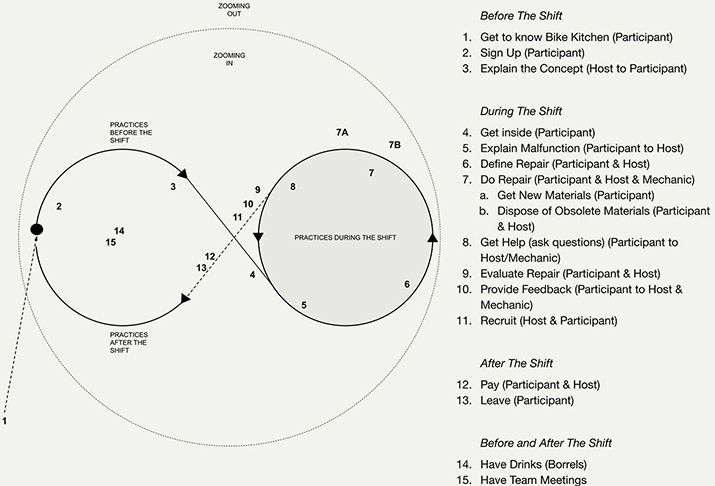
Figure 1. The Bike Kitchen: A Participant Journey. Based on this movement between close-up events and broader contexts, we examined whether performing everyday repair practices in a specific configuration of meanings, competencies, and materials could support a shift towards lower-impact repair and maintenance and change participants’ perceptions of repair practices.
Zooming in captures micro-practices before, during, and after service shifts, i.e., repairing a bicycle from explaining the defect to actually repairing it. While zooming in, we focused on what participants said and did, how material elements and infrastructure determined their actions, and how practical issues were negotiated on the spot. In a typical journey, a new participant is introduced to the BK concept (1), often via UvA students or lecturers in the busy bicycle park. After scanning the QR code and making a booking (2), they are welcomed by the host, who explains how it all works (3). They then bring their bike inside (4), describe the problem (5), agree on the repair together (6), carry it out themselves (7), which may involve purchasing materials (7A), and replacing parts (7B). Help from a mechanic or host is always available (8). After the repair, participants provide feedback on the repair (9) and service (10). When participants are particularly enthusiastic, they get invited to take on a BK role (11). Then, they pay (12) and leave. Before and after shifts, which last from 1-8 pm, drinks (14) and team meetings (15) take place.
Zooming out was used to connect these situated episodes to broader images, expectations, and associations surrounding bicycle repair, including how participants related the BK to other repair options and to their wider mobility practices.
Case and Context
The UvA-BK was selected as a critical and information-rich case of a CPSS in the domain of bicycle repair. Although Bike Kitchens worldwide share principles such as sustainability, community building, and Do-It-Together culture (Bike Collectives Wiki, 2026; The Bike Kitchen, 2026; The Lab of Thought, 2026), the concept is open-ended, and each implementation differs (Bradley, 2018). The UvA-BK is situated in the underground bicycle parking facility of a university main building. Turning the UvA-BK into the space as it is today required a radical transformation: from a storage space into a Bike Kitchen. Figure 2 shows that transformation. Figure 2a shows how the UvA-BK group began by taking over storage space every month to host workshops. At this stage, the Bike Kitchen was born as a service. Figure 2b shows an impression of the day all the tools were moved to the space. This space forms the basis of the UvA-BK. The walls were changed so the project leader could hang posters and pegboards. Figure 2c shows the UvA-BK as a space to teach bicycle repair as a social practice.
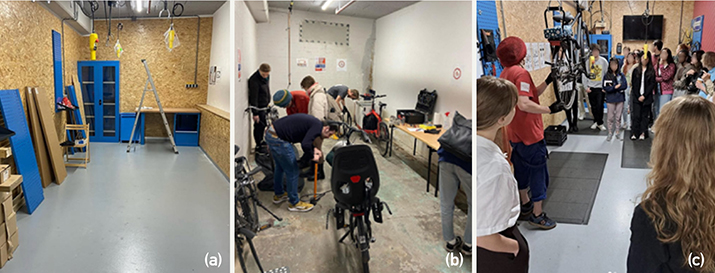
Figure 2. The Bike Kitchen as a place-making process.
The UVA-BK is operated by a project leader and a rotating team of hosts and mechanics. Hosts guide participants through the process, manage expectations, and handle financial transactions, whereas mechanics focus on teaching participants to repair their own bicycles. Participants book repair slots online, while passers-by may be helped when time allows. During the first year of operation, 1,060 people used the service across 160 opening days.
Researcher Perspectives
A design-ethnographic approach was used to gain in-depth insight into how conviviality was enacted in practice, informed by prior work on design ethnography and empathic co-design (Smeenk et al., 2016). Design ethnography here combines participatory observation (researchers as hosts and mechanics) with artifact analysis and empathic co-design, distinguishing it from classic ethnography by its explicit dual role as both fieldworker and designer intervening in practices (Smeenk et al., 2016). Following Smeenk et al. (2016) and Torbert (2001), the design ethnography combined first-, second- and third-person perspectives within a single research design. First-person data consisted of researchers’ own experiences and reflections while acting as hosts, documented in field notes and reflective reports after each shift. Second-person data focused on interactions between researchers and participants, gathered through conversations during shifts, team meetings, focus groups and interviews. Third-person data involved a more distanced interpretive stance, in which weekly analytic meetings between the researchers were used to discuss patterns across shifts, documents, and transcripts and to relate them to the theoretical framework. These perspectives were not treated as separate methods, but as complementary vantage points on the same empirical material, supporting a richer understanding of conviviality in practice. The interdisciplinary collaboration between design and communication studies researchers enriched the analysis: design perspectives focused on material/service configurations, while communication insights highlighted interaction dynamics and meaning-making. Challenges included aligning disciplinary vocabularies and negotiating first- and third-person tensions, offset by the richer multi-perspective data triangulation (Smeenk et al., 2016).
Data Collection
To collect data, two researchers participated in the UvA-BK as hosts and mechanics from September 2023 to July 2024, interacting with approximately 200 participants and passers-by. Data were collected from multiple sources:
- Field notes and reflective reports from 31 author-participated shifts and team meetings.
- Observations and notes from eight internal team meetings.
- Two focus group sessions with UvA-BK hosts, mechanics and participants in different roles.
- One semi-structured interview with the project leader and two semi-structured interviews with participants.
- Material artifacts, including the internal handbook “Getting Started in the UvA-BK,” the project plan, website and reservation system.
- Communication traces from internal messaging groups used by hosts, mechanics and the project leader.
Table 1 summarizes the different ethnographic activities, their purpose in relation to conviviality and participation levels, and the types of data generated. Interview and focus group respondents are referred to as R33A, R33B, R34, etc.; letters distinguish speakers within the same group session. BK service participants who were observed only during shifts are not individually labeled but are described in aggregate patterns. Quotes labeled with a respondent number always stem from recorded and transcribed interviews or focus groups, and observational episodes without direct quotation are based on field notes. Ethics approval for the study was obtained from the institutional ethics board of the main researcher.
Table 1. Actions of ethnographic research.
| Activity | Description | Purpose in relation to conviviality/participation | Data generated | Researcher involvement |
| Shifts as host/mechanic | Weekly 4‑hour shifts supporting participants with repairs | Observe doing/adapting/creating; experience conviviality from first‑person perspective | Field notes, reflective reports | Two researchers, 31 shifts over one academic year |
| Team meetings | Internal meetings with hosts, mechanics, project leader | Understand norms, procedures, tensions and adaptations in the service | Meeting notes | Two researchers, 8 meetings over one academic year |
| Focus groups | Group sessions with hosts, mechanics, participants | Elicit shared reflections on roles, learning, community reciprocity | Audio transcripts | Two researchers, 2 focus group meetings over one academic year |
| Interviews | Semi‑structured interviews with project leader and participants | Deepen understanding of expectations, mental images and longer‑term change | Audio transcripts | Two researchers, 3 interviews over one academic year |
| Documents & WhatsApp groups | Handbook, project plan, website, reservation system, internal chat | Trace formalised and informal rules, values and micro‑adaptations | Documents, message logs | Two researchers, continuous review over one academic year |
Data Analysis
To answer the research question, we conducted reflexive thematic analysis (Braun & Clarke, 2019, 2021) on the interview and observational data. This deductive-inductive approach allowed us to map UvA-BK practices against CPSS principles while identifying emergent tensions and transformations. To arrive at these insights, all field reports, focus group transcripts, interview transcripts, and relevant documents were imported into a qualitative analysis environment for systematic coding. A multi-step thematic analysis was conducted, based on coding practices inspired by grounded theory (Corbin & Strauss, 2012):
- Open coding: In the first phase, two researchers independently coded a subset of the material line-by-line, attending to actions, interactions, material configurations, expressions of values, competences and moments of doing, adapting and creating. Codes were formulated inductively and remained close to participants’ language and observed behavior.
- Axial coding: In the second phase, related codes were grouped into higher-order categories that captured patterns in how repair practices were enacted, how participants engaged with hosts and mechanics, and how responsibilities and roles shifted over time.
- Theoretical grounding: In the final phase, the categories were grounded in the conceptual lenses of practice elements (meanings, competences, materials) and levels of participation (reproduction, adaptation, creation). Literature on participation levels and convivial tools (Fischer et al., 2002; Illich, 1973; Raessens, 2005; Sanders & Stappers, 2008, 2012, 2014) was used as a sensitizing framework to interpret and name emerging themes, rather than as a fixed a priori coding scheme. These sensitizing concepts, specifically the notions of reproduction/adaptation/creation and convivial tools, oriented our attention during data collection (what to observe) and analysis (how to group codes), without imposing predefined categories. This approach aligns with practices-oriented design (Kuijer, 2014) and ensured theoretical grounding while preserving inductive openness.
Observation, Focus Group, and Interview Protocols
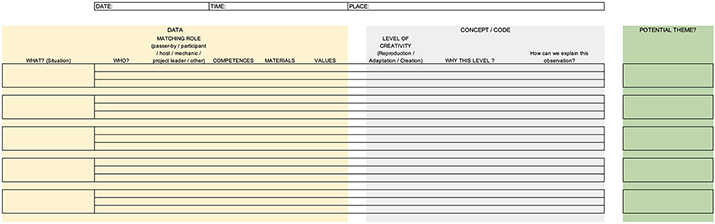
All observations were systematically recorded using the observation schedule (Appendix A), which captured practice elements, levels of participation, and potential themes. The semi-structured focus group and interview guides are provided in Appendices B and C, respectively.
Results
Three Overarching Themes
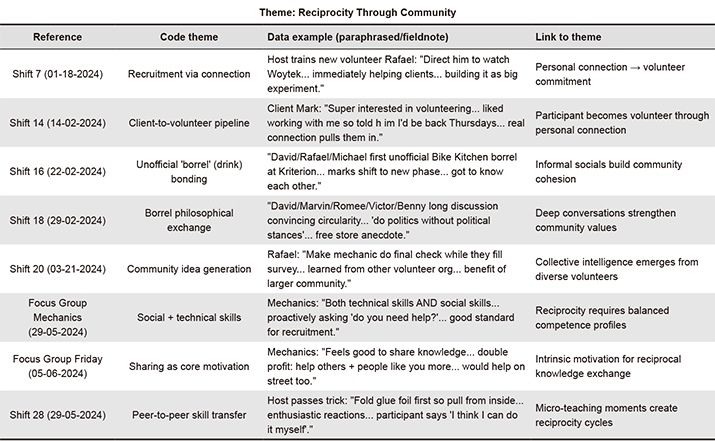
The focus of this research was to arrive at principles for designing a successful CPSS. Through iterative discussion, the researchers refined a shared codebook and reached agreement on the coding. This process yielded a set of themes spanning the empirical material. Three overarching themes: Autonomous (Re)skilling, Participatory Creation, and Reciprocity through Community, were identified as central for understanding the UvA-BK as a CPSS. These themes structure the Discussion section and form the basis for the design principles as proposed in the paper. Appendices D, E, and F contain extracts from these code books, including example codes, data segments, and their interpretations.
First, we describe our insights from a zooming-in perspective, delving deeper into expressions of reproduction, adaptation and creation within the UvA-BK. Then, from a zooming-out perspective, we describe the UvA-BK as a space for convivial tools that utilizes communication to inspire behavioral change at two different levels: an individual level and a community level. Both the zooming in and zooming out results contribute to the formulation of principles for designing a CPSS.
Zooming In on the Bike Kitchen as a Convivial Space
Zooming in during our study, we observed various manifestations of reproduction, adaptation and creation, as described below.
Reproduction
Most of what we observed every day was about ‘reproduction’, following established procedures, described as Participant Journey in Figure 1. We saw mechanics, hosts and participants following procedures as described in a handbook. This handbook describes procedures to be followed, such as booking a service, arriving on time, a brief explanation of the concept, a brief diagnosis of the repair, the repair itself, evaluating, checking out, paying and leaving. This daily ‘doing’ reinforces the UvA-BK as a concept and the image all involved have of it: it shapes the Bike Kitchen as an entity based on doing maintenance and repair yourself, thereby extending the life of materials and products and slowing the resource loop. This everyday doing also sets the standard or norm. Through repetition, it defines ‘how things should be done’, such as periodically organizing bolts, screws, and other small parts. In Figure 3, we see such an action in the form of labeling trays of small parts. This picture was proudly shared in the community’s group app by one of the mechanics.
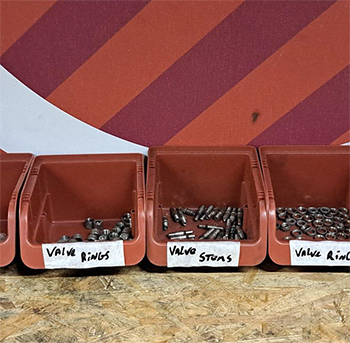
Figure 3. Organizing small parts as an act of doing.
Part of ‘reproduction’ in the UvA-BK also includes assessing potential competence and enthusiasm among participants. During or at the end of each shift, it is up to the host to ask participants a question ‘to play a more active role in the community’ and to sign up on the ‘Become part of the Bike Kitchen community!’ registration form. During our research, we saw a growing list of participants’ contact details, eager to play an active role in a community under construction.
Adaptation
The UvA-BK is constantly changing. We observed this transformation happening in different ways. Mechanics, hosts, and participants are sometimes forced to adapt within the current procedures. Daily, the authors saw all kinds of things that called for these adjustments, such as passers-by stopping by regularly with questions about minor repairs and/or borrowing tools. We also saw that participants and passers-by sometimes struggled with the tools, which made hosts and mechanics feel compelled to make minor adjustments to the equipment. One example is that the project leader, host, and mechanic learned that many passers-by did not know how to inflate a tire. They decided on the spot to make an instruction sheet, print it out, and attach it to one of the bicycle pumps (Figure 4). By repeatedly doing and adapting in the moment, we see that the implementation of the UvA-BK is confirmed and slightly adjusted each time.
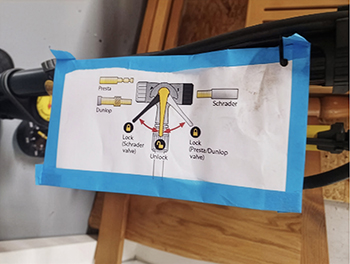
Figure 4. Pump instructions.
While we observed that most participants come to work on their own bikes, following the procedures (reproduction, as described), we also observed participants spontaneously start sweeping the space and helping other participants with their repairs. Several times, we observed participants spontaneously helping each other. Again, these are examples of what adaptation can look like; in fact, there is no procedure or communication that this is ‘the intention’ in the UvA-BK. This shows that somehow the concept is receptive to the emergence of these types of behaviors.
Creation
We also saw development and adaptations of the UvA-BK’s own structure and procedures. This structure was discussed and adapted during team meetings and WhatsApp groups. As set out in the ‘Reproduction’ section, we saw participants being recruited as mechanics and becoming community participants. From this community, participants-as-community-members were able to create new structures for the UvA-BK within a few months. Like one participant, who quickly worked his way up to mechanic and made proposals during team meetings to open on Fridays. Fridays have since become a regular day when mechanics and hosts not only repair and maintain bicycles but also consider reusing unused bicycles and materials in the UvA’s bicycle parking, where the UvA-BK is situated. With this, the UvA-BK potentially moves from a concept focused on the lifespan of materials and products (slowing the resource loop) to one that also focuses on narrowing and closing resource-loop activities. During a focus group meeting with the so-called ‘Friday Crew’, we asked about the values, competences, and materials involved. Their answers were about sustainability and learning: “The whole idea here is to reuse…old crappy bikes that can be restored in hours” (R33A, 5-6-2024). The ‘old, crappy bikes’, to which the Friday Crew refer, are about 50 broken bicycles parked in the UvA bicycle parking surrounding the UvA-BK workshop. They seem to have no owner, so they are called orphan bikes. When asked, the project leader confirmed this story of the Friday Crew. She says she deliberately released this space on Fridays for experimentation and transformative learning.
On the other hand, she argues, the Friday Crew has demonstrated the limit of the concept because we are not yet ready for this expansion, both in terms of organization and physical space. As the owner of the space, the UvA was unwilling and unable to provide funding and additional space to enable this expansion. Moreover, the possibilities for reusing orphan bicycles are limited because it is unknown who legally owns them.
Zooming Out on the Bike Kitchen as a Convivial Space
Bike Kitchen, as a convivial space for convivial tools, uses communication to inspire behavior change at two levels. We observe that the UvA-BK had social impact at the individual and community levels, as described below.
Impact on Individual Level
The authors paid special attention to the expectations with which participants enter and leave, as well as to how participants are approached by the UvA-BK staff, which enables them to repair their bikes in a convivial way. We noted the underlying values of all the practices at the UvA-BK range from ‘wanting to learn’ to ‘getting back home quickly.’ The first value plays a big part in the responses and observations. We observed passers-by who ask, ‘Would you teach me how to pump up a tire?’ instead of ‘Can you pump up my tire?’ (R21, 3-6-2024). A participant at the UvA-BK describes how the space has changed his perception of bike repair. He says: “UvA-BK resources handle 90% of repairs; no bike shop needed anymore” (R35, 9-11-2024). This participant is confident that he can repair his bike himself thanks to the resources available in the UvA-BK and the way he has been addressed. A third participant stated that he sees the UvA-BK: “...UvA-BK reverses service-user roles, fostering bike connection and agency” (R36, 11-15-2024). This participant describes how the UvA-BK approach inspired him to feel more activated and connected to his bicycle as a means of transport: “It made me feel a bit closer to my bike, and it made me feel more comfortable” (R36, 11-15-2024). However, not every participant is as committed as the ones referred to above. Mechanics sometimes experience a ‘customer attitude’ and, when asked, experience this as frustrating:
...someone came in, and the only problem they had was that their chain had slipped off, but they didn’t say more than 10 words during the whole encounter and tried to get them to do things. Was very, uh, frustrating. (R33A, 6-5-2024)
At the same time, UvA-BK staff also have to face their own assumptions about how they approach their work. For example, one mechanic expressed how she had to reinvent herself to work not as a service provider but as a teacher. During one of the focus group meetings, another mechanic indicated that he: “... didn’t want to take everything off the customers’ hands and fix it’ (R33B, 6-5-2024). For this, he is aware to unlearn customer service skills: “I’ve worked in customer service all my life. So, it’s always like I feel like I drilled that in, you know, like trying to make the customer happy” (R33B, 6-5-2024). During the focus group, this tendency was confirmed by the other mechanics. The hosts and mechanics indicate a need and desire to learn how to pass on knowledge and experience, with some expressing uncertainty about the communication skills involved. During our interviews, we noticed that both mechanics and hosts find this communication difficult, as one respondent said: “I think the first few seconds when someone comes in is almost, uh, I have to learn a new skill for that. Like really scan that person. Like, how can I manifest myself to” (R32A, 5-29-2024). To reduce this uncertainty, the existing rules and norms materialized in the internal shared handbook, which also outlined principles and values such as Encourage Autonomy, Facilitate Knowledge Sharing, and Encourage Community Building. We found that hosts and mechanics still felt insecure about performing these tasks and wanted to learn more about them, despite the handbook having been written and discussed during team meetings.
Impact on Community Level
At the community level, the UvA-BK is a space for connecting with broader social discourses, such as health, sustainability, and safety. The current space is a bicycle repair facility that goes beyond just the act of repair itself. By organizing workshops, the Bike Kitchen seeks to connect with other national and regional initiatives, such as repair cafes, as shown in Figure 5. Workshops are opportunities to spread the message about repair as a social practice to a wider audience. The UvA-BK holds workshops to connect the community with the wider repair movement in the Netherlands. During our interview, the UvA-BK project leader said that “the workshops are actually promotional moments where we advocate for a Bike Kitchen” (R34, 9-24-2024). The aim of connecting people through workshops is to show them that repair is not an isolated activity but rather a way to join social dialogues on sustainability. For example, Bike Kitchens can support discussions on making roads safer, which are necessary to enable a healthy and sustainable cycling system. We see an example of this in the recording of the Dutch national TV research program Focus, in which UvA-BK participants are questioned about safety (NTR Focus, 2025).
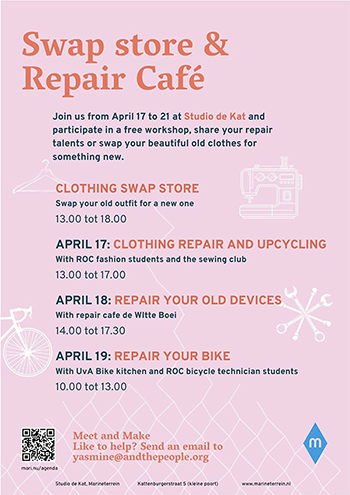
Figure 5. Bike Kitchen as a part of swap store and repair café.
Discussion
Our thematic analysis of the ethnographic material revealed three overarching themes that contribute to the Bike Kitchen’s success as a CPSS: Autonomous (Re)Skilling, Participatory Creation, and Reciprocity through Community. These three themes can be incorporated by designers as practice-based design principles for designing CPSS. In line with Dourish (2006), we understand these principles as practice-based and context-sensitive: they emerge from, and remain accountable to, the situated repair and community practices in the UvA-BK, rather than functioning as decontextualized design checklists. In the UvA-BK, community members, bicycles, tools, and digital and physical space are placed in a reciprocal relationship to each other to reshape social practices. The three themes point to a series of concrete design principles for CPSS that differ from the dominant, convenience-oriented PSS logic. Together, they suggest that designers should explicitly focus on learning, creating space for user-initiated experiments, and concretizing reciprocity in both service configurations and institutional and organizational arrangements.
Three Principles for Designing Convivial Product Service Systems
Autonomous (Re)skilling
Autonomous (Re)skilling responds to critiques on the role of design in deskilling (Kuijer & Laschke, 2024) and facilitates Do-It-Together Repair (Bradley, 2018; Bradley & Persson, 2022), operationalizing opportunities for convivial skilling. (Re)skilling is central to the Bike Kitchen concept in several ways. Bike Kitchens “...facilitate a space where the tools are provided to repair and maintain bicycles. In doing so, [they] develop a renewed notion of ownership and teach people about the benefits of reducing the waste our society produces” (UvA-BK, 2025). By tinkering with their bicycles themselves, with trained bike mechanics explaining along the way, participants learn about bicycle repair and maintenance by doing. The Bike Kitchen teaches participants how to engage in convivial relationships with their bicycles. Simultaneously, hosts and mechanics, who were trained to take everything out of customers’ hands, learn to pass on knowledge and experiences to others. This passing on of knowledge and experience does come with uncertainty and the need for didactic training. Moreover, zooming out, we see how the Bike Kitchen uses repair education to connect people to a more sustainable approach to cycling as a mode of transportation. The approach of reskilling teaches people how to listen and learn from social processes which shape our lives (Illich, 1973; Kuijer, 2014). Illich argued that the bicycle is a perfect object through which people can learn how to handle materials. This also applies to Bike Kitchens, which enable individuals to change their approach to (bicycle) repair and, once participants have become community members, to share adapted mental images of it within a community at regional and national levels.
If we translate these insights into practice-based design principles for CPSS, we see that designs for gradual learning and didactic roles are central. CPSS require that autonomous reskilling be treated as a primary design outcome rather than a side effect of service provision. In practice, this means the CPSS design offers accessible tools for initial repairs, such as clearly labeled tools, simple diagnostic guides, and step-by-step instructions, enabling participants to perform basic tasks themselves before asking for help. It also means that learning pathways are made visible, for example by communicating repair paths “from basic to advanced” on posters, websites, or reservation systems, so that participants can choose their own pace and level of challenge. In a CPSS design, staff roles, scripts, and training are explicitly structured around coaching and co-doing rather than “fixing for,” including didactic micro scripts for hosts and mechanics on how to start a conversation, when to take a step back, and how to return tools and decisions to participants. At the UvA-BK, these implications are evident in the combination of easily accessible tools, an internal handbook that prioritizes autonomy, and the daily struggle of hosts and mechanics as they learn to shift from customer service to a teaching role. Designers of CPSS in other domains can use similar combinations of material scaffolding and didactic role descriptions to avoid reproducing convenience-based service habits.
Participatory Creation
Participatory creation enables relational meta-structural changes (De Rosa et al., 2023) in social innovation contexts, extending to PSS design. As introduced in the Methodology section, participatory creation, among other aspects, involves changing procedures (as described in the UvA BK Journey Map) within the service itself. Participation and creation are implicitly communicated by the UvA-BK, for example, by asking community members to follow procedures, participate in team meetings, and get-togethers. By zooming in, we see and hear many expressions of participation in which a certain procedure is followed, or minor adjustments to it are made because the situation demands it. In repetitive situations, such as how to inflate a bicycle tire, this results in small material adjustments without changing the structure of the Bike Kitchen itself. The ‘Friday Crew’ example demonstrates how the Bike Kitchen concept invites participants to create. This participatory reconfiguration of service structures aligns with smart PSS design processes that enable social sustainability through user-driven meta-structural changes (Tsunetomo et al., 2022). Apparently, the Bike Kitchen concept is receptive to the emergence of these types of behaviors; it would be strange if a customer in a regular bicycle repair shop would start sweeping or start an adapted version of the shop. By explicit communication on the website, in the room and in a handbook, these meaningful interactions are normal, acceptable, and even encouraged in a Bike Kitchen. We also saw more implicit forms of communication: the way the space is set up, tools are offered and what participants say and do also encourages meaningful interaction. As a result, the UvA-BK concept has evolved from mainly extending material lifespans (slowing the resource loop) to achieving the same goals with fewer materials (narrowing) and reusing orphan bicycles (closing) the resource loop. Conviviality manifests here through encouraging participation and creativity (Bradley, 2018; Illich, 1973). However, university organization limits this potential -for instance, by closing the space every Friday- revealing boundaries set by organizational rules, finances, and space constraints.
If we translate the insights described above into principles for designing a CPSS, we see that creating space for user-initiated changes is central. Participatory Creation suggests that CPSS should be designed as evolving configurations that can be adapted by participants, rather than as fixed services that must be reproduced. This requires design decisions that reserve special time, space, and organizational bandwidth for participant-initiated experiments with new activities, opening hours, or service formats, as illustrated by the Friday Crew’s experiments with abandoned bicycles; making spatial and tool configurations flexible (e.g., movable workbenches, modular storage, shared access to tools), so that participants can reconfigure the environment and material flows when new practices emerge; and incorporating simple mechanisms to recognize and stabilize successful experiments, such as documenting new routines in a manual or community guidebook, and inviting the initiators to take on more formal roles. At the UvA-BK, such design choices enabled participants to move from following existing procedures to proposing additional opening days and activities that reduce resource use, and close the resource cycle, even though institutional constraints ultimately limit how far this can go. Designing CPSS therefore involves consciously building in ‘leeway’ for creation, while making visible where the organizational boundaries begin and end.
Reciprocity through Community
Reciprocity through Community builds Social Innovation Systems (Shah, 2022), materializing reciprocity for sustainable PSS transitions (Pereira et al., 2023). The UvA-BK focuses on facilitating learning through the principle of reciprocity: participants can learn from others and the Bike Kitchen can learn from them. During the shifts, we observed social practices that indicate reciprocal cooperation between different people in different roles. While mechanics explain, they gain pedagogical skills by working with each other and with participants in the Bike Kitchen. We see hosts and mechanics working together to keep the space workable, helping participants and passers-by with bicycle repairs and getting involved in the Bike Kitchen. Several examples, such as participants spontaneously sweeping the space and participants becoming mechanics and actively thinking about new forms of the Bike Kitchen, show ‘the active and dynamic relationship between producers and consumers in creating new (desired) social practices’, as described by Shove et al. (2012). To enable reciprocal collaboration, the UvA-BK is organized as a community, defined here as a group united by shared physical space, countercultural repair norms, and intrinsic motivation to help and learn (Max-Neef, 1991; Mellick Lopes & Gill, 2024). We see this community reflected during daily service shifts, where mechanics, hosts, and participants jointly carry out meaningful practices in a shared space. We also see this reflected in monthly community team meetings, organized by the project leaders, where a common vision of the Bike Kitchen’s identity is sought, and a common execution of tasks is aligned. We see community-building reflected in a busy community app group where the latest experiences during services are communicated with each other. Maintaining this community requires recruitment and recruitment requires skills. Enthusiastic and competent participants are asked to play a more active role in the community by signing up to a registration form. It requires skills to recognize this enthusiasm and competencies and address people appropriately. Given the growing list of participants eager to play an active role in a community under construction, we see that these skills are sufficiently present. The UvA-BK case shows that recruiting to a practice, in this case of maintenance and repair, is not only about individual behavior change, but also the integration of materials, competences and meanings that constitute the practice itself. Practices recruit individuals by connecting to their existing skills, resources and understandings, while at the same time individuals shape the evolution of the practice through their participation (Shove et al, 2012).
If we translate the insights described above into principles for designing a CPSS, we see that attention should be focused on making mutual contributions tangible. Reciprocity through Community implies that CPSS depend on social and institutional arrangements that make mutual contributions explicit, valued, and sustainable. Design implications here include creating simple, visible ways for participants to give back to the system, for example through volunteer lists, small tasks (sweeping, sorting parts, helping others), peer-to-peer support, or donations that are presented as part of the concept rather than as charity. Concretizing community norms and values around mutual aid, care for tools, and shared responsibility in artifacts such as manuals, posters, labels, and digital messages, so that expectations do not remain implicit. In a CPSS, communication channels (team meetings, message groups, workshops, media activities) should be designed and maintained as integral parts of the CPSS, rather than as add-ons, allowing for ongoing negotiations about roles and identity. At the UvA-BK, these design measures are reflected in the recruitment of enthusiastic participants for community roles, the internal community app group, and the project leader’s media strategy, which connects local practice with broader repair movements. For designers of CPSS, treating community building and reciprocity as core design materials can help sustain reskilling and participatory creation.
Relations between the Principles
The three design principles—Autonomous (Re)skilling, Participatory Creation, and Reciprocity through Community—are not separate and feed into each other. To gain new competences by learning from others, it is necessary to participate. Building and maintaining a reciprocal community requires particular skills. Learning then takes place through reproduction, adaptation to the moment, and the creation of new situations. The form of learning and participation we saw in the UvA-BK involves reciprocal interests: the apprentice learns from the master and vice versa. The organization learns from individuals and vice versa. By being open to learning, participation, and reciprocity, the concept continuously adapts, always fostering autonomy and reducing one-sided dependency. A CPSS can thus be seen as an evolving concept in which ‘current situations’ and ‘preferred situations’ (Simon, 1996) are never fixed. The case study taught us that the designer tasked with designing CPSS would do well to carefully observe its evolving nature and incorporate the lessons learned into the design process.
Boundary Conditions & Transferability Considerations
To conclude, the following preconditions may affect the transferability of the results discovered. Firstly, we again refer to Illich (1973), who saw the bicycle as a perfect object for learning to deal with our possessions. Since our study focused on bicycles, this raises questions about the transferability of our insights to PSSs for other products. Given the extensive product categories that PSS (can) focus on, we recommend conducting research in other product categories that may be less suitable for learning how to deal with objects. For example, more complex products or high-voltage products, such as laptops, boilers, electric bicycles, or washing machines.
Secondly, the UvA-BK operates under specific conditions that determine how autonomous reskilling, participatory creation, and reciprocity are expressed in the community. The non-profit, subsidized university context offers a cycling culture, relatively skilled/trained participants, special space/tools, and flexible institutional support. These are conditions that are not omnipresent. Physical/institutional limitations (e.g., ownership of abandoned bicycles, liability, lack of space) also restrict experimentation, as can be seen with the Friday Crew. These factors imply that CPSS flourish where there is a cultural willingness to learn collectively, where basic infrastructure is in place, and where institutional frameworks do not excessively restrict or completely block adaptation.
Thirdly, although the research provides rich qualitative evidence of skills development and the transformation of practices, there is a lack of longitudinal quantitative data on improvements in participants’ repair skills or on the actual extension of bicycle lifespans. Claims about the environmental impact therefore remain speculative and are based on observed shifts in the resource cycle (delay, reduction, closure) rather than on measured results.
Conclusion
This case study shows how the UvA-BK organizes community collaboration around reskilling, participation and community in bicycle repair and maintenance. Zooming in, the Bike Kitchen provides a convivial learning environment in which team members and participants reproduce, adapt, and create repair practices, gradually bringing together narrowing, slowing, and closing resource loops while also exposing institutional limits to transformational learning, such as constraints on space and funding.
Zooming out, the Bike Kitchen functions as a platform for less resource-intensive, more convivial patterns of consumption that challenge dominant convenience-oriented repair models. In contrast, Bike Kitchens offer a more sustainable and convivial alternative by promoting (re)skilling, participation and reciprocity within a community, encouraging people to unlearn disposable practices and develop the skills and understandings needed for more circular practices.
Using a practice-oriented design approach, this study has identified three design principles for CPSS, as shown in Table 2. Although these design principles are specifically derived from the UvA Bike Kitchen case, they embody transferable characteristics of conviviality that designers can use as a starting point for developing context-specific CPSS design principles. Future research can test these principles deductively in different socio-material contexts to validate their generative potential.
Table 2. Three practice-based design principles for CPSS.
| # | Design Principle | Core Practice Element | Description |
| 1 | Autonomous (Re)Skilling | Design graduated learning paths for users/providers | Users lose maintenance skills through convenience-oriented PSS; providers become mere technicians. This principle designs graduated learning pathways where participants build technical competence while providers develop didactical skills. Learning occurs through scaffolded practice: from guided repair to independent maintenance to teaching others. UvA BK demonstrated bidirectional exchange; novices gained confidence, mechanics developed didactical skills. Extends beyond technical skills to social/communication abilities (knowing who to ask). Creates self-reliance reducing dependency on service providers. |
| 2 | Participatory Creation | Enable procedural/adaptive/structural user co-creation | Users become passive consumers in most PSS; this principle enables active co-creators at three levels. Procedural: Self-maintenance invitations replace hand-off service. Adaptive: Minor procedure tweaks from user questions (tire pump signage). Structural: Team redesign fundamentally alters service (Friday Crew formation). Designers must calibrate participation to user competence/context avoiding tokenism. UvA BK tire pump signs emerged from recurring novice questions. Transforms users from service recipients to service shapers. |
| 3 | Reciprocity Through Community | Foster mutual skill/responsibility exchange | Traditional PSS maintains producer-consumer hierarchy; this principle designs mutual exchange relationships. Users contribute to space organization, cooking and recruitment; providers gain didactical skills and fresh perspectives. Daily collaboration, monthly meetings, digital channels build community beyond transactions. Recruitment becomes collective materials/competency/values assembly. Reconfigures roles: participants shape service evolution, providers learn from users. UvA BK/TSH dynamic roles demonstrate social practice reconfiguration (Shove et al.). |
Endnote
- 1. Bradley and Persson (2018, 2022) introduce DIT-repair (Do It Together) as a collective counterpart to traditional DIY (Do It Yourself) in community repair practices.
References
- Ackermann, L., Schoormans, J. P. L., & Mugge, R. (2021). Measuring consumers’ product care tendency: Scale development and validation. Journal of Cleaner Production, 295, Article 126327. https://doi.org/10.1016/j.jclepro.2021.126327
- Aladwan, S. Q. A. (2022). The effectiveness of a training program based on Betts’ model of autonomous learner on improving the creativity product. Eurasia Journal of Mathematics, Science and Technology Education, 18(12), Article em2205. https://doi.org/10.29333/ejmste/12731
- Alcayaga, A., Wiener, M., & Hansen, E. G. (2019). Towards a framework of smart-circular systems: An integrative literature review. Journal of Cleaner Production, 221, 622-634. https://doi.org/10.1016/j.jclepro.2019.02.085
- Amasawa, E., Shibata, T., Sugiyama, H., & Hirao, M. (2020). Environmental potential of reusing, renting, and sharing consumer products: Systematic analysis approach. Journal of Cleaner Production, 242, Article 118487. https://doi.org/10.1016/j.jclepro.2019.118487
- Bakker, C. (2023). Repair in the circular economy. Repairability as a driver for the circular economy. In Repair in the circular economy: European legislation, product design and business models (pp. 16-21). Leiden-Delft-Erasmus Centre for Sustainability Circular Industries Hub. https://www.centre-for-sustainability.nl/white-paper-reparatie-in-de-circulaire-economie
- Bardhi, F., & Eckhardt, G. (2012). Access-based consumption: The case of car sharing. Journal of Consumer Research, 39(4), 881-898. https://doi.org/10.1086/666376
- Batterbury, S. P. J., Manga, A. T., Kowasch, M., & Lane, R. (2022, Dec. 4). Bike kitchens: The community-run repair workshops that help build a culture of cycling. The Conversation. https://theconversation.com/bike-kitchens-the-community-run-repair-workshops-that-help-build-a-culture-of-cycling-169687
- Bayraktaroğlu, S., & İdemen, E. (2024). Redefining repair as a value co-creation process for circular economy: Facilitated do-it-yourself repair. International Journal of Design, 18(1), 1-22. https://doi.org/10.57698/v18i1.01
- Bike Collectives Wiki. (2026). Main page. Bike Collectives Network. https://www.bikecollectives.org/wiki/Main_Page
- Bocken, N., De Pauw, I., Bakker, C., & Van Der Grinten, B. (2016). Product design and business model strategies for a circular economy. Journal of Industrial and Production Engineering, 33(5), 308-320. https://doi.org/10.1080/21681015.2016.1172124
- Bocken, N., Short, S. W., Rana, P., & Evans, S. (2014). A literature and practice review to develop sustainable business model archetypes. Journal of Cleaner Production, 65, 42-56. https://doi.org/10.1016/j.jclepro.2013.11.039
- Bradley, K. (2018). Bike kitchens—Spaces for convivial tools. Journal of Cleaner Production, 197(2), 1676-1683. https://doi.org/10.1016/j.jclepro.2016.09.208
- Bradley, K., & Persson, O. (2022). Community repair in the circular economy—Fixing more than stuff. Local Environment, 27(10-11), 1321-1337. https://doi.org/10.1080/13549839.2022.2041580
- Braun, V., & Clarke, V. (2019). Reflecting on reflexive thematic analysis. Qualitative Research in Sport, Exercise and Health, 11(4), 589-597. https://doi.org/10.1080/2159676X.2019.1628806
- Corbin, J., & Strauss, A. (2012). Basics of qualitative research: Techniques and procedures for developing grounded theory (3rd ed.). SAGE. https://doi.org/10.4135/9781452230153
- De Rosa, A., Finardi, M. A., & Auricchio, V. (2023). Relational design practices in design for social innovation: A place-centred approach. In D. de Sainz Molestina, L. Galluzzo, F. Rizzo, & D. Spallazzo (Eds.), IASDR 2023: Life-changing design (Article No. 193). Design Research Society. https://doi.org/10.21606/iasdr.2023.509
- Dewit, I. (2019). Product-service system design: A synthesis approach [Doctoral dissertation]. University of Antwerp. https://doi.org/10.13140/RG.2.2.18446.64328
- Domínguez Rubio, F. (2019). Maintenance and repair as cultural work. Section Culture: Newsletter of the ASA Culture Section, 31(2). https://asaculturesection.org/2019/11/20/maintenance-and-repair-as-cultural-work/
- Dourish, P. (2006). Implications for design. In Proceedings of the SIGCHI conference on human factors in computing systems (pp. 541-550). ACM. https://doi.org/10.1145/1124772.1124855
- Edvardsson, B., Gustafsson, A., & Roos, I. (2005). Service portraits in service research: A critical review. International Journal of Service Industry Management, 16(1), 107-121. https://doi.org/10.1108/09564230510587177
- European Training Foundation. (2023). Skills for the green transition. https://www.etf.europa.eu/en/publications-and-resources/publications/skills-green-transition
- European Union. (2024). Directive (EU) 2024/1799 of the European Parliament and of the Council of 13 June 2024 on common rules promoting the repair of goods and amending Regulation (EU) 2017/2394 and Directives (EU) 2019/771 and (EU) 2020/1828 (text with EEA relevance). Official Journal of the European Union, Document 32024L1799. http://data.europa.eu/eli/dir/2024/1799/oj
- Fischer, G. (2002). Beyond “couch potatoes”: From consumers to designers and active contributors. First Monday, 7(12). https://doi.org/10.5210/fm.v7i12.1010
- Fishman, E. (2016). Bikeshare: A review of recent literature. Transport Reviews, 36(1), 92-113. https://doi.org/10.1080/01441647.2015.1033036
- Fondazione MICS. (2026). Repair PSS: Circular design for lighting and furniture. https://www.mics.tech/archivio/en/projects/2-09-repair-pss-circular-design-for-lighting-and-furniture/
- Hesselgren, M., Sjöman, M., & Pernestål, A. (2020). Understanding user practices in mobility service systems: Results from studying large scale corporate MaaS in practice. Travel Behavior and Society, 21, 318-327. https://doi.org/10.1016/j.tbs.2018.12.005
- Hielscher, S., & Jaeger-Erben, M. (2021). Resisting obsolescence? The role of a ‘culture of repair’ for product longevity. In N. F. Nissen & M. Jaeger-Erben (Eds.), Proceedings of the 3rd international conference on product lifetimes and the environment (pp. 345-352). Universitätsverlag der TU Berlin. https://doi.org/10.14279/depositonce-9253
- Hielscher, S. (2023). The return of the beehives, brylcreem and botanical! An historical review of hair care practices with a view to opportunities for sustainable design. In Proceedings of the design research society conference (Article No. 101). DRS. https://dl.designresearchsociety.org/drs-conference-papers/drs2008/researchpapers/101
- Illich, I. (1973). Tools for conviviality. Harper and Row.
- Kerschner, C., Wächter, P., Nierling, L., & Ehlers, M. (2018). Degrowth and technology: Towards feasible, viable, appropriate and convivial imaginaries. Journal of Cleaner Production, 197(2), 1619-1636. https://doi.org/10.1016/j.jclepro.2018.07.147
- Kuijer, L. (2014). Implications of social practice theory for sustainable design [Doctoral dissertation, Delft University of Technology]. TU Delft Repository. https://doi.org/10.4233/uuid:d1662dc5-9706-4bb5-933b-75704c72ba30
- Kuijer, L., & Laschke, M. (2024). Designing for a post-growth society through the eco-harmonist. A critical examination of the role of HCI and technology design. In Proceedings of the 13th Nordic conference on human-computer interaction (Article No. 69). ACM. https://doi.org/10.1145/3679318.3685405
- Kuijer, L., & Wakkary, R. (2017). Practices-oriented design. In S. Clune & A. Lockrey (Eds.), Design for behaviour change (pp. 184-197). Routledge. https://doi.org/10.4324/9781315576602-10
- Lindahl, M., Sakao, T., Sundin, E., & Shimomura, Y. (2009). Product/service systems experiences: An international survey of Swedish, Japanese, Italian and German manufacturing companies. In Proceedings of the 1st CIRP industrial product-service systems conference (pp. 74-81). Linköping University Electronic Press.
- Lizarralde, I., & Tyl, B. (2018). A framework for the integration of the conviviality concept in the design process. Journal of Cleaner Production, 197(2), 1766-1777. https://doi.org/10.1016/j.jclepro.2017.03.108
- Lundberg, P., Vainio, A., Viholainen, N., & Korsunova, A. (2024). Consumers and self-repair: What do they repair, what skills do they have and what are they willing to learn? Resources, Conservation and Recycling, 206, Article 107647. https://doi.org/10.1016/j.resconrec.2024.107599
- Martin, M., Lazarevic, D., & Gullström, C. (2019). Assessing the environmental potential of collaborative consumption: Peer-to-peer product sharing in Hammarby Sjöstad, Sweden. Sustainability, 11(1), Article 190. https://doi.org/10.3390/su11010190
- Max-Neef, M. (1991). Human scale development. Apex Press.
- Mellick Lopes, A., & Gill, A. (2024). Commoning repair: Framing a community response to transitioning waste economies. In E. Kalantidou, G. Keulemans, A. Mellick Lopes, N. Rubenis, & A. Gill (Eds.), Design/repair: Place, practice & community (pp. 183-212). Springer. https://doi.org/10.1007/978-3-031-46862-9_8
- Ministerie van Infrastructuur en Waterstaat. (2024). Start met delen [Start sharing]. Retrieved March 1, 2025, from https://www.startmetdelen.nl
- Mylan, J. (2015). Understanding the diffusion of sustainable product-service systems: Insights from the sociology of consumption and practice theory. Journal of Cleaner Production, 97, 13-20. https://doi.org/10.1016/j.jclepro.2014.01.065
- Nicolini, D. (2009). Zooming in and out: Studying practices by switching theoretical lenses and trailing connections. Organization Studies, 30(12), 1391-1418. https://doi.org/10.1177/0170840609349875
- Noteboom, N. (2018, November 16). Swapfiets. Retrieved December 2, 2024, from https://www.slideshare.net/slideshow/swapfiets-nadine-nooteboom/123185038
- NTR Focus. (2025, Feburary). De kwetsbare fietser [The vulnerable cyclist, Video]. NPO. https://npo.nl/start/serie/focus/seizoen-8/focus_49/afspelen
- Pereira, V. R., Homrich, A. S., & De Carvalho, M. M. (2023). Why are companies moving on towards product-service systems? A framework for PSS drivers. Production, 33, Article e20230004. https://doi.org/10.1590/0103-6513.20230004
- Peck, J., Kirk, C. P., Luangrath, A. W., & Shu, S. B. (2021). Caring for the commons: Using psychological ownership to enhance stewardship behavior for public goods. Journal of Marketing, 85(2), 33-49. https://doi.org/10.1177/0022242920952084
- Raessens, J. (2005). Computer games as participatory media culture. In J. Raessens, & J. Goldstein (Eds.), Handbook of computer game studies (pp. 373-388). Erasmus University Rotterdam.
- Raijmakers, B., Thompson, M., & Van De Garde-Perik, E. (2012). New goals for design, new roles for designers? Paper presented at the Cumulus Helsinki conference, Aalto University. Retrieved from http://cumulushelsinki2012.aalto.fi/cumulushelsinki2012.org/wp-content/uploads/2012/05/New-goals-for-design-new-roles-for-designers.pdf
- Rangriz, S., & Hashamdar, M. (2017). The relationship between learners’ autonomy and creativity. Journal of Applied Linguistic and Language Research, 4(5), 135-140.
- Reckwitz, A. (2002). Toward a theory of social practices. European Journal of Social Theory, 5(2), 243-263. https://doi.org/10.1177/13684310222225432
- Richardson, K., Steffen, W., Lucht, W., Bendtsen, J., Cornell, S., Donges, J., Drüke, M., Fetzer, I., Bala, G., von Bloh, W., Feulner, G., Fiedler, S., Gerten, D., Gleeson, T., Hofmann, M., Huiskamp, W., Kummu, M., Mohan, C., Nogués-Bravo, D., ...Rockström, J. (2023). Earth beyond six of nine planetary boundaries. Science Advances, 9(37). https://doi.org/10.1126/sciadv.adh2458
- Samerski, S. (2018). Tools for degrowth? Ivan Illich’s critique of technology revisited. Journal of Cleaner Production, 197(2), 1637-1646. https://doi.org/10.1016/j.jclepro.2016.10.039
- Sanders, E. B. N., & Stappers, P. J. (2008). Co-creation and the new landscapes of design. CoDesign, 4(1), 5-18. https://doi.org/10.1080/15710880701875068
- Sanders, E. B. N., & Stappers, P. J. (2012). Convivial toolbox. BIS Publishers.
- Sanders, E. B. N., & Stappers, P. J. (2014). Probes, toolkits and prototypes: Three approaches to making in codesigning. CoDesign, 10(1), 5-14. https://doi.org/10.1080/15710882.2014.888183
- Shah, O. (2022). Social innovation system (SIS): Using design thinking, product service systems and applied business analytics to improve SIS design. Issues in Information Systems, 23(2), 310-320. https://doi.org/10.48009/2_iis_2022_127
- Shove, E., Pantzar, M., & Watson, M. (2012). The dynamics of social practice. SAGE.
- Shove, E., & Pantzar, M. (2005). Consumers, producers and practices. Journal of Consumer Culture, 5(1), 43-64. https://doi.org/10.1177/1469540505049846
- Simon, H. A. (1996). The sciences of the artificial. MIT Press.
- Singh, J., Cooper, T., Cole, C., Gnanapragasam, A., & Shapley, M. (2019). Evaluating approaches to resource management in consumer product sectors—An overview of global practices. Journal of Cleaner Production, 224, 218-237. https://doi.org/10.1016/j.jclepro.2019.03.203
- Smeenk, W., Tomico, O., & Koen, V. T. (2016). A systematic analysis of mixed perspectives in empathic design: Not one perspective encompasses all. International Journal of Design, 10(2), 31-48. https://doi.org/10.57698/v10i2.03
- Spaargaren, G., Weenink, D., & Lamers, M. (Eds.). (2016). Practice theory and research. Routledge. https://doi.org/10.4324/978131565690
- Stål, H. I., & Jansson, J. (2017). Sustainable consumption and value propositions: Exploring product-service system practices among Swedish fashion firms. Sustainable Development, 25(6), 546-558. https://doi.org/10.1002/sd.1677
- Steffen, W., Richardson, K., Rockström, J., Cornell, S. E., Fetzer, I., Bennett, E. M., Biggs, R., Carpenter, S. R., de Vries, W., de Wit, C. A., Folke, C., Gerten, D., Heinke, J., Mace, G. M., Persson, L. M., Ramanathan, V., Reyers, B., & Sörlin, S. (2015). Planetary boundaries: Guiding human development on a changing planet. Science, 347(6223), Article 1259855. https://doi.org/10.1126/science.1259855
- The Bike Kitchen. (2026). Mission & history. https://www.thebikekitchen.ca/mission
- The Lab of Thought. (2026). Bike Kitchen UvA. https://info.bikekitchen.nl/
- Tischner, U., Ryan, C., & Vezzoli, C. (2009). Product-service systems. In J. C. Diehl, M. Crul, & C. Ryan (Eds.), Design for sustainability: A step-by-step approach (pp. 95-103). United Nations Environment Program.
- Tonkinwise, C. (2018). ‘I prefer not to:’ Anti-progressive designing. In G. Coombs, A. McNamara, & G. Sade (Eds.), Undesign (pp. 74-84). Routledge. https://doi.org/10.4324/9781315526379-7
- Torbert, W. (2001). The Practice of action inquiry. In P. Reason & H. Bradbury (Eds.), Handbook of action research (pp. 250-260). SAGE.
- Tsunetomo, K., Watanabe, K., & Kishita, Y. (2022). Smart product-service systems design process for socially conscious digitalization. Journal of Cleaner Production, 368, 133172. https://doi.org/10.1016/j.jclepro.2022.133172
- Tukker, A. (2004). Eight types of product-service system: Eight ways to sustainability? Experiences from SusProNet. Business Strategy and the Environment, 13(4), 246-260. https://doi.org/10.1002/bse.414
- Tukker, A. (2015). Product services for a resource-efficient and circular economy—A review. Journal of Cleaner Production, 97, 76-91. https://doi.org/10.1016/j.jclepro.2013.11.049
- Tukker, A., & Tischner, U. (2006). Product-services as a research field: Past, present and future. Reflections from a decade of research. Journal of Cleaner Production, 14(17), 1552-1556. https://doi.org/10.1016/j.jclepro.2006.01.022
- Van Beek, E., Boess, S., Bozzon, A., & Giaccardi, E. (2024). Practice reconfigurations around heat pumps in and beyond Dutch households. Environmental Innovation and Societal Transitions, 53, Article 100903. https://doi.org/10.1016/j.eist.2024.100903
- Valentini, D., & Butler, A. (2023). Bike kitchens and the sociomateriality of practice change: Exploring cycling-repair relations. Urban, Planning and Transport Research, 11(1), Article 2259235. https://doi.org/10.1080/21650020.2023.2259235
- Vezzoli, C., Kohtala, C., Srinivasan, A., Diehl, J. C., Fusakul, S., Liu, X., & Sateesh, D. (2014). Product-service system design for sustainability. Greenleaf.
- Warde, A. (2005). Consumption and theories of practice. Journal of Consumer Culture, 5(2), 131-153. https://doi.org/10.1177/1469540505053090
- Wakkary, R., Tanenbaum, K., & Hatala, M. (2013). Practices as a unit of design: An exploration of theoretical guidelines in a study on bathing. ACM Transactions on Computer-Human Interaction, 20(4), Article 21. https://doi.org/10.1145/2493382
- Zapata Campos, M., Zapata, P., & Ordoñez, I. (2020). Urban commoning practices in the repair movement: Frontstaging the backstage. Environment and Planning A: Economy and Space, 52(6), 1150-1170. https://doi.org/10.1177/0308518X19896800
Appendix
Appendix A. Observation scheme.
Appendix B. The focus group protocol.
Focus Group Protocol (2 sessions, 60-90 min, 3-6 participants: hosts/mechanics/participants) Setting: 1. Intro & Consent (5 min) 2. Recent Experience (5-10 min) 3. Motivation & Values (10-15 min) 4. Role & Ownership (10 min) 5. Didactics & Competences (15 min) 6. Community & Recruitment (10 min) 7. Repair Practice & Sustainability (15 min) 8. Materials & Expectations (10 min) Notes: |
Appendix C. The interview protocol.
Semi-Structured Interview Protocol (Project Leader) Objective: Strategic insights into BK structure, challenges, stakeholders, conviviality/scaling. |
Appendix D. The codebook excerpt for autonomous (re)skilling.
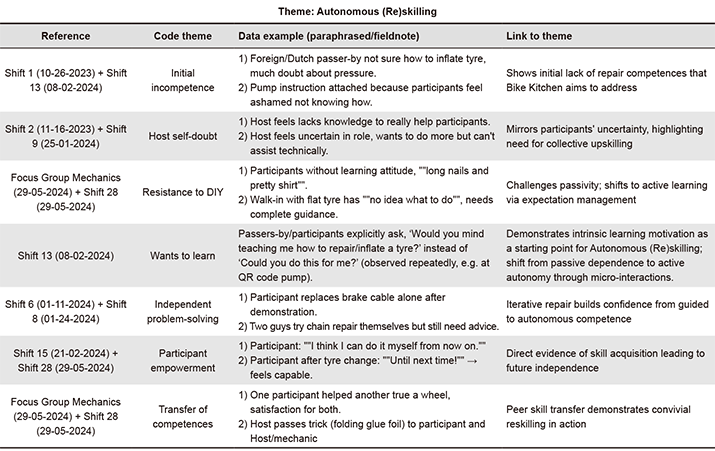
Appendix E. The codebook excerpt for participatory creation.
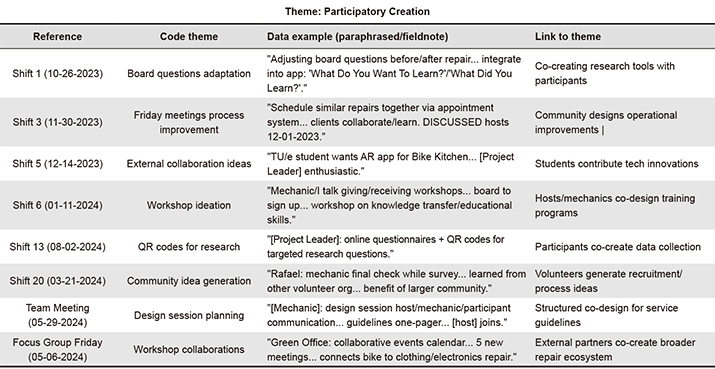
Appendix F. The codebook excerpt for reciprocity through community.